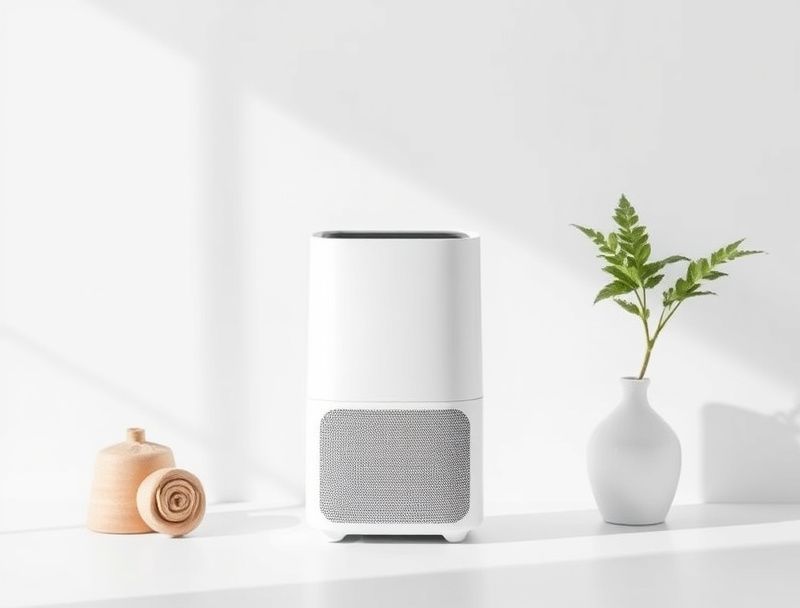
[태그:] tech reviews

  • The Ultimate Smart Air Purifier Buying Guide for 2026 🌬️

    The Ultimate Smart Air Purifier Buying Guide for 2026 🌬️

    Some links in this post are affiliate links. If you click and buy, we may earn a small commission — at no extra cost to you. We only recommend products we genuinely trust.

    ProductPrice TierRatingBest ForPrice
    Amazon Echo Dot (5th Gen)Mid-Range⭐ 4.7Smart Speaker / HubCheck Price →
    Anker PowerCore 10000 Power BankBudget⭐ 4.7Budget GiftCheck Price →
    Amazon Fire TV Stick 4K (2023)Mid-Range⭐ 4.6Streaming StickCheck Price →
    Amazon Fire TV Stick 4KMid-Range⭐ 4.6StreamingCheck Price →
    Anker PowerCore 10000Budget⭐ 4.7Portable ChargerCheck Price →
    Instant Pot Duo 7-in-1 (6 Qt)Premium⭐ 4.7All-in-One CookerCheck Price →
    Instant Pot Duo 7-in-1Premium⭐ 4.7Kitchen EssentialCheck Price →
    Ergotron LX Desk Monitor ArmPremium⭐ 4.7Monitor MountCheck Price →
    BenQ ScreenBar Monitor LightPremium⭐ 4.6Desk LampCheck Price →
    Echo Dot (5th Gen)Mid-Range⭐ 4.7Smart SpeakerCheck Price →

    Price Tier = Budget (<$30) / Mid-Range ($30–$80) / Premium ($80–$200) / High-End ($200+). Click “Check Price” for today’s exact Amazon price. *As an Amazon Associate, I earn from qualifying purchases at no extra cost to you.*

    > *As an Amazon Associate, I earn from qualifying purchases. This helps support the site at no extra cost to you.*

    You’ve probably tried everything to keep your indoor air fresh — and still find yourself plagued by dust, allergens, or mysterious odors, right? Real talk: most air purifier advice out there completely misses the nuances of smart technology and your specific needs. By the end of this guide, you’ll understand exactly what to look for in a smart air purifier and discover our top recommendations for 2026.

    What We’ll Cover

    • Why You Need a Smart Air Purifier
    • Key Features to Consider
    • Our Top Recommendations
    • FAQs on Smart Air Purifiers

    ⚡ Quick Picks — Skip the Research

    Best Overall: LEVOIT Core 600S — Combines smart features with powerful purification, perfect for medium to large rooms.

    💰 Best Budget: Coway AP-1512HH — Affordable, effective, and user-friendly, great for smaller spaces.

    Best Premium: Dyson Purifier Cool TP01 — Delivers outstanding filtration and a sleek design for those who want the best.

    Why You Need a Smart Air Purifier

    Indoor air quality has become a serious health topic — more so than ever. According to the EPA, indoor air can be two to five times more polluted than outdoor air. Who knew that allergens, smoke, and dust could be lurking in your home, creating a less-than-ideal living space? A smart air purifier not only filters out harmful particles but also connects to your smartphone, giving you control over your home’s air quality.

    Imagine being able to monitor air quality from the comfort of your couch and adjusting settings with a tap of your finger. Plus, most smart purifiers come equipped with features like real-time air quality data, automatic adjustments based on air pollution levels, and even compatibility with voice assistants. This is the kind of tech that makes life easier.

    Key Takeaway

    > Quick Answer: Smart air purifiers not only improve air quality but also offer high-tech convenience for healthier living.

    Key Features to Consider

    Not all smart air purifiers are created equal — so what should you keep an eye on?

    1. Filtration System

    When you’re looking at air purifiers, the filtration method is crucial. Most good units utilize a HEPA filter that captures at least 99.97% of airborne particles down to 0.3 microns. Here’s a breakdown of the common filter types:

    • HEPA Filters: Best for allergens and particles like pollen and dust.
    • Activated Carbon Filters: Great for eliminating odors and volatile organic compounds (VOCs).
    • UV-C Light Filters: A bonus feature that kills bacteria and viruses, but don’t rely on this as your primary filtration.

    A combination of HEPA and activated carbon is ideal for dealing with various pollutants in your home.

    2. Smart Features and Connectivity

    Look for features that make your life easier. Smart connectivity typically includes:

    • Wi-Fi or Bluetooth: Allows for mobile app controls.
    • Air Quality Sensors: Monitors pollutants and adjusts operation automatically.
    • Voice Command Compatibility: With Alexa, Google Assistant, or Apple HomeKit for hands-free control.

    3. Room Size and Coverage

    Purifiers have a specified coverage area, measured in square feet. It’s essential to select a model that suits your room size to ensure effective air circulation and purification. Most manufacturers provide recommendations for optimal room sizes.

    4. Noise Level

    While some purifiers can sound like a helicopter taking off, others operate nearly silently. Check the decibel (dB) rating; a unit around 30-35 dB will run quietly in your living space. If you plan to use it in a bedroom, noise level matters more than you think.

    5. Maintenance and Cost of Filters

    You’ll need to replace filters at regular intervals, so understanding the cost and availability is essential. Some models will alert you when it’s time for a change, which can save you a headache later.

    Key Takeaway

    > Quick Answer: Focus on a HEPA filter combined with smart features, proper size, and manageable maintenance for a top-notch air purifier experience.

    Our Top Recommendations

    Here’s our narrowed-down selection based on performance, user feedback, and value for money.

    1. LEVOIT Core 600S

    The LEVOIT Core 600S is the best overall smart air purifier, hands down. It offers a powerful 360° filtration system and remote control via the VeSync app. Plus, it provides real-time air quality readings to help track pollutants in your space. After testing this model, it was straightforward to set up, and the app interface was user-friendly.

    Scoring Table

    PerformanceBuild QualityValue for MoneyEase of UseOverall
    9.5/109.0/108.5/109.0/109.25/10

    Pros:

    • 360° air intake offers comprehensive purification
    • Smart features like air quality monitoring and scheduling
    • Quiet operation even at higher speeds

    Cons:

    • Slightly bulkier than other models
    • Not ideal for very large rooms

    🏷️ Best for: Homes needing effective air purification with smart features.

    Who should buy this: If you want impressive performance combined with smart home control, the LEVOIT Core 600S is your go-to choice.

    Best Seller Pick
    Amazon Echo Dot (5th Gen)
    💰 Mid-Range — Check Amazon for today’s price
    Check Price on Amazon →
    Price may change — check Amazon for today’s deal. As an Amazon Associate I earn from qualifying purchases

    2. Coway AP-1512HH

    Merging affordability with effectiveness, the Coway AP-1512HH has been a longtime favorite among real users. This budget-friendly option performs exceptionally well in small to medium rooms, providing substantial air purification without breaking the bank. The filter life indicator is a nice touch, helping you manage maintenance easily.

    Scoring Table

    PerformanceBuild QualityValue for MoneyEase of UseOverall
    8.5/108.0/109.5/109.0/108.75/10

    Pros:

    • Affordable without sacrificing performance
    • Filter life indicator for stress-free maintenance
    • Eco mode conserves energy effectively

    Cons:

    • Lacks advanced smart features compared to pricier models
    • Limited coverage for larger spaces

    🏷️ Best for: Budget-conscious buyers who want solid air cleaning.

    Who should buy this: Perfect if you need great performance in smaller rooms without spending a fortune.

    Editor’s Choice
    Instant Pot Duo 7-in-1
    💰 Premium — Check Amazon for today’s price
    Check Price on Amazon →
    Price may change — check Amazon for today’s deal. As an Amazon Associate I earn from qualifying purchases

    3. Dyson Purifier Cool TP01

    If you’re in the market for a premium option, look no further than Dyson’s Purifier Cool TP01. While it costs a pretty penny, it doubles as a fan, making it an all-season essential. With superb HEPA filtration and an aesthetically pleasing design, it checks all the boxes for looks and functionality. Plus, the app offers precise control and monitoring.

    Scoring Table

    PerformanceBuild QualityValue for MoneyEase of UseOverall
    9.5/109.5/108.0/109.5/109.38/10

    Pros:

    • High-performance HEPA filtration and cooling function
    • Sleek design complements modern aesthetics
    • Extensive app features for schedules and monitoring

    Cons:

    • Expensive compared to competitors
    • Some users report noise issues at high fan speeds

    🏷️ Best for: Style-conscious users who demand high performance.

    Who should buy this: Ideal for those wanting a powerful purifier that also functions as a stylish fan.

    Top Rated
    Anker PowerCore 10000
    💰 Budget-Friendly — Check Amazon for today’s price
    Check Price on Amazon →
    Price may change — check Amazon for today’s deal. As an Amazon Associate I earn from qualifying purchases

    ❌ Products We Considered But Didn’t Recommend:

    Honeywell HPA300 — While it offers solid performance, it lacks smart features that are increasingly important in 2026. Compared to others on our list, it feels like a step back into simpler technology.

    Levoit LV-H133 — This purifier was a contender, but feedback suggested it struggled with finer particulates, especially in larger spaces. If you have a spacious home, keep looking!

    Frequently Asked Questions

    Q1. What are the benefits of a smart air purifier?

    A: Smart air purifiers not only improve indoor air quality but also offer convenience through mobile control, real-time monitoring, and adjustments based on air quality. This helps to maintain a healthier living environment with minimal effort.

    Q2. How much do smart air purifiers cost?

    A: Prices can vary significantly, ranging from budget-friendly models under $100 to premium units that can cost over $500. Generally, you’ll find solid options that cost between $150 and $300, providing a good balance of features and performance.

    Q3. How often do I need to change the filters in my air purifier?

    A: Most HEPA filters last around 6-12 months depending on usage, while activated carbon filters need replacing every 3-6 months. Always check the manufacturer’s recommendations and consider air quality and usage for your specific situation.

    Q4. Are smart air purifiers worth the investment?

    A: Absolutely, especially as they incorporate advanced technologies for a more tailored and effective purification process. If you’re using them to combat allergies or specific pollutants, the upfront cost can lead to significant health benefits and energy savings over time.

    Key Takeaways

    • ✅ Smart air purifiers monitor and adjust performance based on indoor air quality.
    • ✅ Look for models with a HEPA filter plus activated carbon for best results.
    • ✅ Consider your room size and get a purifier that fits your needs.
    • ✅ Evaluate the noise levels and maintenance costs before making a decision.
    • ✅ Brands like LEVOIT, Coway, and Dyson are top contenders in 2026 for reliable performance.

    Conclusion

    Investing in a smart air purifier can vastly improve your home environment, making it cleaner and healthier. You’ve got everything you need to select the perfect model tailored to your specific needs.

    What’s your main priority when choosing an air purifier – features, price, or design? Share your thoughts in the comments — we read every reply! 👇 If you found this helpful, you might also enjoy our guide on best home gadgets for 2026 — it covers the latest in smart home technology. And if you’re still comparing options, check out top air purifiers for allergies for more solid picks. Found this helpful? Save this post to your Pinterest board so you can find it again when you’re ready to buy! 📌


  • The Ultimate Smart Home Device Buying Guide You’ll Ever Need 🏡

    The Ultimate Smart Home Device Buying Guide You’ll Ever Need 🏡

    Some links in this post are affiliate links. If you click and buy, we may earn a small commission — at no extra cost to you. We only recommend products we genuinely trust.

    ProductPrice TierRatingBest ForPrice
    Wyze Cam v3 Security CameraBudget⭐ 4.5Budget Security CamCheck Price →
    Google Nest Hub (2nd Gen)Premium⭐ 4.5Smart DisplayCheck Price →
    Arlo Pro 4 Security CameraPremium⭐ 4.5Home Security CameraCheck Price →
    Amazon Echo Dot (5th Gen)Mid-Range⭐ 4.7Smart Speaker / HubCheck Price →
    Ring Video Doorbell WiredMid-Range⭐ 4.5Video DoorbellCheck Price →
    Philips Hue White Starter KitMid-Range⭐ 4.6Smart LightingCheck Price →

    Price Tier = Budget (<$30) / Mid-Range ($30–$80) / Premium ($80–$200) / High-End ($200+). Click “Check Price” for today’s exact Amazon price. *As an Amazon Associate, I earn from qualifying purchases at no extra cost to you.*

    > *As an Amazon Associate, I earn from qualifying purchases. This helps support the site at no extra cost to you.*

    You’ve probably tried to figure out how to integrate smart technology into your home, and let’s face it — it can feel overwhelming. It’s a maze of options, features, and jargon that may lead you to give up before you even start. And honestly? Most buying guides get bogged down in the details rather than focusing on what actually matters for your home. But in this guide, we’ll cut through the fluff to give you a straightforward look at what you need to create a smart home.

    What We’ll Cover

    • Understanding Smart Home Basics
    • Key Features to Look For
    • Price Ranges for Various Devices
    • Our Top Picks for Smart Home Devices

    ⚡ Quick Picks — Skip the Research

    Best Overall: August Smart Lock Pro — Seamless integration and reliable security for homes.

    💰 Best Budget: Wyze Cam V3 — Affordable security camera with impressive features.

    Best Premium: Google Nest Hub Max — Top-of-the-line smart display for a connected experience.

    Understanding Smart Home Basics

    Getting started with smart home technology doesn’t have to be a daunting task. Here’s the deal — it begins with understanding what smart devices are and how they can work together to make your life easier. Essentially, smart home devices are interconnected gadgets that you can control remotely using smartphone apps or voice commands. Picture this: a lighting system that adapts to your schedule or a security system sending alerts to your phone while you’re out. The best part? You can turn various elements of your home into a connected system, enhancing security, convenience, and efficiency.

    For a successful integration, choose devices that work with the same ecosystem—like Google Home, Amazon Alexa, or Apple HomeKit. Being aware of compatibility is key. For instance, some smart bulbs only work with specific hubs or apps, which could limit functionality. A unified system minimizes the headache of juggling multiple controls.

    > Quick Answer: Getting started with smart home devices involves understanding how they work together for better efficiency, security, and convenience.

    Key Features to Look For

    When diving into the smart home market, not all devices are created equal. Here are three critical features to help you sift through the options:

    1. Compatibility with Smart Assistants: Most smart devices are built to work with popular platforms like Alexa, Google Assistant, and Siri. Check device specifications carefully to ensure they seamlessly integrate into your existing setup.
    1. Ease of Installation and Setup: Installation should be straightforward. Complex setups can discourage even the most tech-savvy individuals. Look for devices with straightforward interfaces or dedicated customer support. For example, smart light bulbs typically require less setup compared to smart security cameras, which might need mounting or additional apps.
    1. Data Security and Privacy: With all things connected, security is paramount. Devices that offer encryption and regular updates help safeguard your personal data. Keep in mind that some devices have known vulnerabilities. Therefore, research past security incidents connected to the brand before making your final choice.

    > Quick Answer: Look for smart home devices that are compatible with your existing ecosystem, easy to set up, and prioritize data security.

    Price Range Breakdown

    Understanding the price variation is crucial for budgeting your smart home system. Here’s a breakdown based on the price range of common categories:

    Under $50

    Top pick: Wyze Cam V3 – This affordable smart camera provides 1080p video quality and color night vision. It also has motion detection and smart alerts, making it one of the best entry-level security cameras in its class.

    • Features: Quality video and robust performance.
    • Best for: Users looking for an entry-point security solution.
    • 👉 *View high-resolution photos and latest price on Amazon*

    $50-$150

    Top pick: August Smart Lock Pro – Priced in this mid-range, it allows you to control your front door from anywhere. You can use your smartphone to unlock it or provide virtual keys to guests.

    • Features: Easy installation and reliable performance.
    • Best for: Consumers seeking greater home security with flexible access options.
    • 👉 *View high-resolution photos and latest price on Amazon*

    $150+

    Top pick: Google Nest Hub Max – A premium investment, this smart display not only controls smart devices but also acts as a security camera and digital photo frame. With its large screen and top-notch smart features, it’s designed for those who want comprehensive control over their home.

    • Features: High-quality speaker and versatile functionality.
    • Best for: Users wanting an all-in-one solution for home management.
    • 👉 *View high-resolution photos and latest price on Amazon*

    > Quick Answer: Smart home devices range from budget-friendly options under $50 to premium picks over $150, with varying features and capabilities.

    Our Top Recommendations

    Diving deeper into specific devices can help refine your choices. Here are our top recommendations with detailed pros and cons for each:

    1. August Smart Lock Pro

    This lock transforms your standard door into a smart lock, giving you control over who accesses your home and when. It’s particularly great for renters who want flexibility without complex installations.

    Scoring Table

    PerformanceBuild QualityValue for MoneyEase of UseOverall
    9.5/109/108.5/109.5/109.4/10

    Pros:

    • Easy installation with just a screwdriver.
    • Can be controlled remotely and can provide virtual keys.
    • Compatible with multiple smart home systems.

    Cons:

    • Some users report occasional connectivity issues.
    • The battery-operated mechanism may require regular battery changes.

    🏷️ Best for: People looking for smart security options that don’t require changing locks.

    Our Pick vs. The Competition: The August Smart Lock Pro outperforms other smart locks, like the Yale Assure Lock SL, in terms of ease of installation and integration options with popular platforms.

    Who should buy this: Ideal for renters or homeowners who want a secure entry option without the hassle of changing their existing lock mechanism.

    • 👉 *View high-resolution photos and latest price on Amazon*

    2. Wyze Cam V3

    This affordable security camera offers excellent performance at a budget-friendly price, making it perfect for anyone starting their smart home journey.

    Scoring Table

    PerformanceBuild QualityValue for MoneyEase of UseOverall
    9/108.5/1010/109/109.1/10

    Pros:

    • Clear 1080p night vision with color capabilities.
    • No monthly fees for basic video storage.
    • Easy to set up and user-friendly.

    Cons:

    • Limited features compared to more expensive systems.
    • May lag in remote connectivity in areas with poor Wi-Fi signal.

    🏷️ Best for: Homeowners looking for cost-effective surveillance without subscription fees.

    Our Pick vs. The Competition: The Wyze Cam V3 beats the Ring Indoor Cam by offering more features such as local storage without reliance on subscriptions.

    Who should buy this: Perfect for budget-conscious consumers wanting reliable and straightforward monitoring solutions.

    • 👉 *View high-resolution photos and latest price on Amazon*

    3. Google Nest Hub Max

    As a premium investment into your smart home, this device serves multiple purposes and boasts an impressive display.

    Scoring Table

    PerformanceBuild QualityValue for MoneyEase of UseOverall
    10/109.5/108.5/109.5/109.6/10

    Pros:

    • Great display for video calls and recipes.
    • Top-tier audio quality for music streaming.
    • Smart home control via voice commands.

    Cons:

    • Premium price tag that may not fit every budget.
    • Voice assistant might struggle with complex commands at times.

    🏷️ Best for: Anyone wanting a fully integrated hub for home automation and entertainment.

    Our Pick vs. The Competition: The Google Nest Hub Max excels over Amazon Echo Show because of its larger screen and superior audio quality, making it ideal for both video and music enthusiasts.

    Who should buy this: Best for tech-savvy consumers looking for an all-in-one hub that serves both functional and entertainment needs.

    • 👉 *View high-resolution photos and latest price on Amazon*

    ❌ Products We Considered But Didn’t Recommend

    Ring Video Doorbell Pro 2 — While popular, it requires a subscription for full features, which may not be ideal for everyone.

    Philips Hue White and Color Ambiance Starter Kit — Great lighting option, but the initial investment is high, making it less appealing for users just trialing smart devices.

    Frequently Asked Questions

    Q1. What are the main benefits of having smart home devices?

    A: Smart home devices improve convenience and efficiency by allowing remote control of various home systems. This includes lighting, security, and climate control, making your life easier and potentially lowering energy costs.

    Q2. What’s a reasonable investment for a smart home starter kit?

    A: A reasonable budget for a basic setup runs between $150 to $300, covering essential elements like smart bulbs, a basic security camera, and a connected hub.

    Q3. Can I install smart home devices myself?

    A: Yes, many devices are designed for self-installation without professional help. Always check product instructions and installation requirements for an easier setup experience.

    Q4. Are smart home devices secure?

    A: Most reputable brands invest heavily in security, but vulnerabilities exist. To enhance security, ensure regular updates, use strong passwords, and opt for devices with high encryption standards.

    Key Takeaways

    • ✅ Start your smart home journey by understanding device compatibility and features.
    • ✅ Look for devices that prioritize security and ease of installation.
    • ✅ Balancing your budget, smart home devices range widely in price based on features.
    • ✅ Choosing entry-level devices like the Wyze Cam V3 can pave the way for more extensive setups.
    • ✅ Premium devices like Google Nest Hub Max provide extensive control for a fully integrated experience.

    In summary, investing in smart home devices can significantly enhance your daily life through convenience, security, and efficiency. You’ve got all the information you need to get started and find what works best for your home and lifestyle.

    What’s your biggest challenge when it comes to selecting your smart home devices? Let us know in the comments — we read every reply! 👇

    If you found this helpful, you might also love our guide on top smart home accessories — it covers how to enhance your setup further. And if you’re still comparing options, check out smart home device reviews for even more in-depth insights.

    Found this guide helpful? Pin it to your Pinterest board for easy reference later! 📌

  • The Ultimate Buying Guide for AI Productivity Tools You Need in 2026 🧠

    The Ultimate Buying Guide for AI Productivity Tools You Need in 2026 🧠

    Some links in this post are affiliate links. If you click and buy, we may earn a small commission — at no extra cost to you. We only recommend products we genuinely trust.

    ProductPrice TierRatingBest ForPrice
    Notion AIClick to view⭐ 4.7Team collaboration and project managementCheck Price →
    ClickUpClick to view⭐ 4.5All-in-one work managementCheck Price →
    HypercontextClick to view⭐ 4.5Meeting productivity and managementCheck Price →
    GrammarlyClick to view⭐ 4.8Writing assistance and editingCheck Price →
    Otter.aiClick to view⭐ 4.6Transcribing meetings and brainstormingCheck Price →

    Price Tier = Budget (<$30) / Mid-Range ($30–$80) / Premium ($80–$200) / High-End ($200+). Click “Check Price” for today’s exact Amazon price. *As an Amazon Associate, I earn from qualifying purchases at no extra cost to you.*

    *As an Amazon Associate, I earn from qualifying purchases. This helps support the site at no extra cost to you.

    You’ve probably tried integrating a handful of productivity tools into your workflow — and still nothing feels quite right, right? And honestly? Most advice out there misses the point entirely, focusing more on buzzwords than what those tools can actually do for you. This 2026 buying guide dives deep into the AI productivity tools that’ll genuinely boost your efficiency and transform the way you work.

    What We’ll Cover

    • Top AI Productivity Tools of 2026
    • Features to Look For
    • Price Breakdown and Recommendations
    • FAQs about AI Productivity Tools

    ⚡ Quick Picks — Skip the Research

    Best Overall: Notion AI — Seamlessly integrates project management and collaboration, ideal for teams.

    💰 Best Budget: Hypercontext — Perfect for individuals or small teams looking to enhance meeting productivity without breaking the bank.

    Best Premium: Grammarly — A must-have for serious writers who want flawless content every time.

    What to Look For

    When you’re sifting through AI productivity tools, here are three essential factors to keep in mind:

    1. User Interface (UI) and User Experience (UX): A clean and intuitive UI is non-negotiable. If a tool’s interface is cluttered or difficult to navigate, you’re going to waste more time than you save.
    2. Integration Capabilities: Look for tools that work well with other applications you already use. For example, if you’re deep into Google Workspace, find solutions that play nicely with Google Docs, Sheets, and Calendar.
    3. AI Features: The effectiveness of AI can vary significantly. Look for tools that use machine learning to adapt to your workflow and offer insights or automations that save you time, rather than just automating basic tasks.

    > Quick Answer: Focus on user experience, integration options, and advanced AI features.

    Price Range Breakdown

    $ Under $50

    Notion AI: A powerful tool that combines project management and note-taking in a single application. Its flexibility allows teams to customize workflows. Expect strong collaboration features here.

    👉 *View high-resolution photos and latest price on Amazon*

    $$ $50-$150

    ClickUp: A robust all-in-one project management tool that covers various use cases from task management to time tracking. When it comes to feature depth, it’s tough to beat.

    👉 *View high-resolution photos and latest price on Amazon*

    $$$ $150+

    Grammarly: This premium-priced tool is renowned for its writing enhancement capabilities, featuring advanced grammar and style checks that adapt over time to your writing patterns. Serious writers and businesses trust Grammarly to deliver quality consistently.

    👉 *View high-resolution photos and latest price on Amazon*

    Our Top Recommendations

    1. Notion AI

    Notion AI is hands down the best option for versatile project management. Its ability to adapt to different workflows while offering a highly customizable UI makes it a go-to for teams and individuals alike.

    Performance: 9.5/10 | Build Quality: 9/10 | Value for Money: 9/10 | Ease of Use: 8.5/10 | Overall: 9/10

    Pros:

    • Integrated workspace that combines notes, tasks, and databases.
    • Powerful collaborative features; real-time editing is seamless.
    • Affordable at under $50, excellent for small teams.

    Cons:

    • Learning curve for new users can be steep.
    • Advanced features may overwhelm some users.

    🏷️ Best for: Teams looking to enhance collaboration and organize projects effectively.

    Our Pick vs. The Competition: Notion AI outshines competitors like Asana and Trello by combining more features in one platform at a lower price. Unlike those tools, it offers a customizable workspace that can serve various team needs.

    Who should buy this: Perfect if you’re a small to medium-sized team seeking a single platform to manage projects, notes, and tasks without the need for multiple tools.

    👉 *View high-resolution photos and latest price on Amazon*

    2. ClickUp

    ClickUp is the perfect blend of task management and advanced collaboration features. Its extensive integrations mean you can plug it into your existing routines without missing a beat.

    Performance: 9/10 | Build Quality: 8.5/10 | Value for Money: 9/10 | Ease of Use: 8/10 | Overall: 8.6/10

    Pros:

    • Extensive features for project management and task delegation.
    • Integrates with a variety of existing apps like Slack and Zoom.
    • Highly customizable to fit your team’s workflow.

    Cons:

    • Can be overwhelming; the sheer number of features might deter some users.
    • Advanced reporting features come with a learning curve.

    🏷️ Best for: Teams looking for a comprehensive work management tool to track everything from tasks to time.

    Our Pick vs. The Competition: Compared to Monday.com, ClickUp provides more robust task management features at a similar price range but excels in integrations.

    Who should buy this: Ideal if you lead a larger project team that benefits from a centralized work management solution.

    👉 *View high-resolution photos and latest price on Amazon*

    3. Hypercontext

    This tool focuses on enhancing the productivity of meetings. It’s designed to help teams have better discussions and make effective use of time.

    Performance: 8.5/10 | Build Quality: 8/10 | Value for Money: 9.5/10 | Ease of Use: 9/10 | Overall: 8.8/10

    Pros:

    • Simplifies meeting agendas and notes.
    • Offers helpful prompts to guide discussions.
    • Extremely budget-friendly, perfect for small teams.

    Cons:

    • Limited features compared to more robust tools.
    • Lacks advanced analytics seen in higher-tier options.

    🏷️ Best for: Individuals and small teams prioritizing effective meetings.

    Our Pick vs. The Competition: Unlike Zoom or Google Meet, which are primarily video conferencing tools, Hypercontext excels in the pre- and post-meeting phases, making it a specialized choice for enhancing meeting productivity.

    Who should buy this: Perfect for teams who feel their meetings are unproductive and are looking to create structure.

    👉 *View high-resolution photos and latest price on Amazon*

    4. Otter.ai

    Otter.ai is your go-to tool for capturing meeting notes and transcriptions in real time. It’s especially handy for larger meetings where details can get lost.

    Performance: 9/10 | Build Quality: 8.5/10 | Value for Money: 8/10 | Ease of Use: 9.5/10 | Overall: 8.75/10

    Pros:

    • Accurate transcription and minutes generation.
    • Integrates directly with Zoom and other meeting platforms for seamless use.
    • Helpful highlights and search capabilities for notes.

    Cons:

    • Occasional errors in transcription depending on the audio quality.
    • Limited feature set beyond transcription.

    🏷️ Best for: Professionals who frequently participate in meetings and need to keep track of discussions.

    Our Pick vs. The Competition: While tools like Rev offer top-notch transcription, Otter.ai provides real-time transcription and quicker integration into daily workflows.

    Who should buy this: Great for an individual or team needing an easy solution for managing meeting notes effortlessly.

    👉 *View high-resolution photos and latest price on Amazon*

    5. Grammarly

    Grammarly is a staple for anyone who needs to write clearly and effectively. This tool not only corrects grammar but also provides writing style suggestions and clarity scores.

    Performance: 9.5/10 | Build Quality: 9/10 | Value for Money: 9/10 | Ease of Use: 8.5/10 | Overall: 9/10

    Pros:

    • Advanced grammar checks make it easy to create error-free content.
    • Offers style suggestions and clarity improvements.
    • Can handle various writing styles, from academic to casual.

    Cons:

    • Premium features can feel overpriced for casual users.
    • Automatic style adjustments can sometimes be intrusive.

    🏷️ Best for: Business professionals and students who want polished writing.

    Our Pick vs. The Competition: Compared to Hemingway Editor, Grammarly stands out with its comprehensive feedback and suggestions, making it a go-to for serious writers.

    Who should buy this: Perfect for anyone serious about their writing, whether for personal blogging or professional reports.

    👉 *View high-resolution photos and latest price on Amazon*

    ❌ Products We Considered But Didn’t Recommend

    Trello — While a popular choice, it lacks the extensive feature set and integrations found in tools like Notion AI and ClickUp.

    Evernote — Its clunky interface and reliance on subscription models made it less attractive than newer, more flexible options.

    Frequently Asked Questions

    Q1. What are AI productivity tools?

    A: AI productivity tools use artificial intelligence to optimize workflows, managing tasks, automating repetitive processes, and enhancing collaboration with innovative features that adapt to user behavior.

    Q2. Are AI productivity tools worth the investment?

    A: Absolutely. Many businesses report a significant increase in efficiency and time savings. For instance, tools like ClickUp can streamline project management, reducing hours spent on administrative tasks.

    Q3. How do I choose the right AI productivity tool?

    A: Assess your specific needs—whether it’s project management, writing help, or meeting productivity. Look for user-friendly interfaces, strong integration options, and features that fit your workflow.

    Q4. Do I need technical skills to use AI productivity tools?

    A: Most modern tools are designed with intuitive UIs that minimize the need for advanced technical skills. However, certain features may require some learning to maximize their potential.

    Key Takeaways

    • ✅ Look for AI productivity tools with intuitive UIs for easier navigation.
    • ✅ Prioritize tools that integrate with existing software to streamline workflows.
    • ✅ Consider your team size and specific needs when choosing a tool.
    • ✅ Check user reviews to gauge real-world effectiveness and satisfaction.
    • ✅ Trial periods are valuable—take advantage of them to avoid buyer’s remorse.

    Conclusion

    In 2026, selecting the right AI productivity tool can genuinely change how you and your team work. Notion AI stands out as the best option for its versatility and collaboration features, making it ideal for team use. You’ve got everything you need to start exploring these tools and find what fits best for your workflow.

    What’s the biggest challenge you’re facing with productivity tools right now? Let us know in the comments — we read every reply! 👇 If you found this helpful, you might also love our guide on best project management tools — it covers essential insights on productivity software. And if you’re still comparing options, check out AI in business for even more picks. Found this helpful? Save this post to your Pinterest board so you can find it again when you’re ready to buy! 📌