
[태그:] buying guide

  • The Ultimate Minimalist Living Buying Guide You Can’t Miss 🏡

    The Ultimate Minimalist Living Buying Guide You Can’t Miss 🏡

    Some links in this post are affiliate links. If you click and buy, we may earn a small commission — at no extra cost to you. We only recommend products we genuinely trust.

    ProductPrice TierRatingBest ForPrice
    Instant Pot Duo 7-in-1 (6 Qt)Premium⭐ 4.7All-in-One CookerCheck Price →
    Ninja AF101 Air Fryer (4 Qt)Premium⭐ 4.7Best Air FryerCheck Price →
    Ergotron LX Desk Monitor ArmPremium⭐ 4.7Monitor MountCheck Price →
    BenQ ScreenBar Monitor LightPremium⭐ 4.6Desk LampCheck Price →
    Amazon Echo Dot (5th Gen)Mid-Range⭐ 4.7Smart Speaker / HubCheck Price →
    Amazon Fire TV Stick 4K (2023)Mid-Range⭐ 4.6Streaming StickCheck Price →

    Price Tier = Budget (<$30) / Mid-Range ($30–$80) / Premium ($80–$200) / High-End ($200+). Click “Check Price” for today’s exact Amazon price. *As an Amazon Associate, I earn from qualifying purchases at no extra cost to you.*

    *As an Amazon Associate, I earn from qualifying purchases. This helps support the site at no extra cost to you.*

    You’ve probably tried to declutter—getting rid of stuff that doesn’t serve a purpose—but still feel overwhelmed. The truth is, minimalism goes beyond just clearing out your closet; it’s about creating a space that aligns with your values and lifestyle. This buying guide will walk you through the essentials for embracing a minimalist lifestyle, helping you make intentional choices that free up space and mental bandwidth.

    What We’ll Cover

    • The Mindset for Minimalism
    • Key Areas to Focus on Reducing Clutter
    • Must-Have Minimalist Products
    • Sustainable Alternatives
    • Frequently Asked Questions

    The Mindset for Minimalism

    Minimalism starts in your mind. Quick Answer: Minimalism isn’t just about owning less; it’s about making room for what truly matters. To fully embrace this lifestyle, you need to shift your focus from quantity to quality.

    Having fewer possessions allows for reduced distraction and a clearer mental space. You might ask, “How do I get started?” One effective approach is the 30-Day Minimalism Game—where you remove one item on day one, two on day two, and so on until you reach 30 items. This not only gets the ball rolling but also helps build a habit of regular decluttering. Key takeaway: Focus on what adds value to your life.

    Key Areas to Focus on Reducing Clutter

    As you embrace minimalism, pay attention to these key areas:

    1. Living Room
    2. Kitchen
    3. Bedroom
    4. Home Office

    Each space comes with its unique set of clutter challenges. Let’s dive deeper into each area, providing actionable tips and essential tools to simplify them effectively.

    Living Room

    > ⭐ Editor’s Choice

    The living room is often the first space guests encounter, yet it can easily become a catch-all for items. Real talk: you don’t need five throw pillows or a collection of knickknacks. Instead, consider this strategy:

    • Evaluate Comfort Over Quantity: Keep only the furniture that serves its purpose without overcrowding the space. This might mean downsizing your sectional sofa to a single loveseat. Pro tip: Choose multi-functional furniture like ottomans with storage inside or coffee tables that expand.
    • Go Minimal on Decor: Limit yourself to a few meaningful pieces that resonate with you, like art or photographs from your travels. Customers report feeling more relaxed in well-curated spaces.

    Quick Answer: Aim to create a calm yet functional space that reflects your personality—without the clutter.

    Key Tools for Your Living Room:

    • Storage Solutions: Look for stylish storage baskets or multi-purpose furniture to hide away items while keeping them accessible.
    • Streamlined Lighting: Skip the extensive lighting fixtures for minimalist designs that highlight your space better. Elegant floor lamps or simple pendants can do wonders.

    Kitchen

    In a minimalist kitchen, simplicity reigns supreme, but you still need functional tools. Here’s what to focus on:

    • Cookware: Get a set of high-quality pots and pans that can handle most cooking demands without cluttering your cabinets. Customers love the durability and space-saving features of nesting cookware.
    • Utensils and Gadgets: Instead of a drawer full of rarely-used tools, opt for a quality chef’s knife and a few versatile utensils that cover all your needs. Real talk—having a solid set of essentials means less stress when cooking.

    Key takeaway: Invest in quality, not quantity, paying attention to tools that genuinely make your life easier.

    Key Tools for Your Kitchen:

    • Multi-functional Appliances: Air fryers or Instant Pots can replace multiple tools, saving space and time.
    • Organizers: Sliding shelves and drawer dividers help keep everything in place; customers swear by these for maintaining order.

    Bedroom

    Your bedroom should be your sanctuary rather than a storage unit. Here’s how to create a calming environment:

    • Limit Clothing: Adopt a capsule wardrobe approach, keeping only versatile pieces that you mix and match. Customers who embrace this approach report feeling less stressed about getting dressed.
    • Declutter Surfaces: Nightstands can quickly become cluttered, so keep only essentials, such as a lamp and a small dish for jewelry.

    Quick Answer: A serene bedroom aids in relaxation—focus on what aids that.

    Key Tools for Your Bedroom:

    • Quality Bedding: Invest in a few high-quality sets of sheets and comforters that you’ll love coming home to.
    • Storage Solutions: Under-bed storage boxes can help keep seasonal clothes or extra linens tucked away.

    Home Office

    With remote work as the norm, your home office must foster productivity. Here’s how:

    • Choose Essential Tech: High-performance essentials like a good laptop, a quality monitor, and ergonomic furniture make all the difference. Aim for tech that works harmoniously together.
    • Consolidate Supplies: Use digital tools for note-taking to reduce the need for physical stationery. Go paperless wherever you can.

    Key takeaway: A clutter-free workspace promotes creativity.

    Key Tools for Your Home Office:

    • Ergonomic Furniture: A good chair and desk can significantly impact your productivity and comfort. Look for adjustability features to suit your style.
    • Tech Accessories: Invest in quality organization solutions—cable management tools can make a big difference! Customers have noted improved focus in organized setups.

    Must-Have Minimalist Products

    Here are some must-have items that will help keep your living spaces functional and stylish while maintaining minimalism:

    • Bamboo Multi-Storage Basket: A smart way to store various odds and ends without looking cluttered.
    • Nesting Bowls: They’re perfect for saving space in the kitchen while offering multiple serving options.
    • Wall-Mounted Shelves: These create additional storage without sacrificing floor space, perfect for any room.

    Quick Answer: Invest in multifunctional items that help maintain order.

    Sustainable Alternatives

    Minimalism aligns well with sustainability. Emphasize eco-friendly choices in your buying decisions. Here’s how:

    • Buy Second-Hand: Embrace platforms like thrift shops or online marketplaces for high-quality second-hand goods. Many customers report finding unique pieces that stand out.
    • Choose Quality Materials: Whether it’s furniture or textiles, opting for eco-friendly materials ensures that you’ll be investing in durability—like bamboo products or recycled metals.

    Key takeaway: Sustainability and minimalism align to create a responsible lifestyle.

    Frequently Asked Questions

    Q1. What is minimalist living?

    A: Minimalist living involves reducing possessions, focusing on what genuinely adds value to your life, and creating a calm, uncluttered environment. It promotes intentional living through mindful choices about what you own and invite into your life.

    Q2. Is minimalism practical for families?

    A: Absolutely! Families can benefit from minimalism by encouraging shared values about belongings and experiences. Incorporating family activities that center on togetherness rather than material possessions can foster closer relationships.

    Q3. How do I start my minimalist journey?

    A: Begin with a specific area, like a closet or a room, and gradually move through your home. Tackle it bit by bit, decluttering items that no longer serve you or your family. Use strategies like the 30-Day Minimalism Game mentioned earlier.

    Q4. What are common mistakes in minimalist living?

    A: A common mistake is giving away too much too quickly—this can lead to regret. Additionally, some become too rigid, which can cause stress. Aim for balance by incorporating only what feels right for you. Quick Answer: Mindful decluttering fosters better focus on what you need.

    Key Takeaways

    • ✅ Minimalism begins in your mindset; prioritize quality over quantity.
    • ✅ Focus on decluttering key areas: living room, kitchen, bedroom, and home office.
    • ✅ Choose multifunctional and sustainable products to ensure functionality and reduce waste.
    • ✅ Adopt a strategy for gradual decluttering to avoid overwhelm.
    • ✅ Embrace practices that align with minimalism and sustainability for a meaningful lifestyle.

    Conclusion: If you’re ready to simplify your life and embrace minimalism, focus on quality, sustainability, and intentionality in your purchases. This guide provides the framework and tools to create a living space you love—free from distraction and clutter.

    What’s the #1 challenge you face in your minimalist journey? Let us know in the comments — we read every reply! 👇 If you found this helpful, you might also love our guide on sustainable living tips — it covers eco-friendly lifestyle choices in detail. And if you’re still comparing options, check out minimalism for families for more tailored advice.

    Found this helpful? Save this post to your Pinterest board so you can find it again when you’re ready to buy! 📌
  • The Ultimate Smart Home Device Buying Guide for 2026 🔑

    The Ultimate Smart Home Device Buying Guide for 2026 🔑

    Some links in this post are affiliate links. If you click and buy, we may earn a small commission — at no extra cost to you. We only recommend products we genuinely trust.

    ProductPrice TierRatingBest ForPrice
    TP-Link Kasa Smart Plug EP25Budget⭐ 4.7Best Smart PlugCheck Price →
    Philips Hue White Starter KitMid-Range⭐ 4.6Smart LightingCheck Price →
    Amazon Echo Dot (5th Gen)Mid-Range⭐ 4.7Smart Speaker / HubCheck Price →
    Arlo Pro 4 Security CameraPremium⭐ 4.5Home Security CameraCheck Price →
    Wyze Cam v3 Security CameraBudget⭐ 4.5Budget Security CamCheck Price →
    Google Nest Hub (2nd Gen)Premium⭐ 4.5Smart DisplayCheck Price →

    Price Tier = Budget (<$30) / Mid-Range ($30–$80) / Premium ($80–$200) / High-End ($200+). Click “Check Price” for today’s exact Amazon price. *As an Amazon Associate, I earn from qualifying purchases at no extra cost to you.*

    *As an Amazon Associate, I earn from qualifying purchases. This helps support the site at no extra cost to you.*

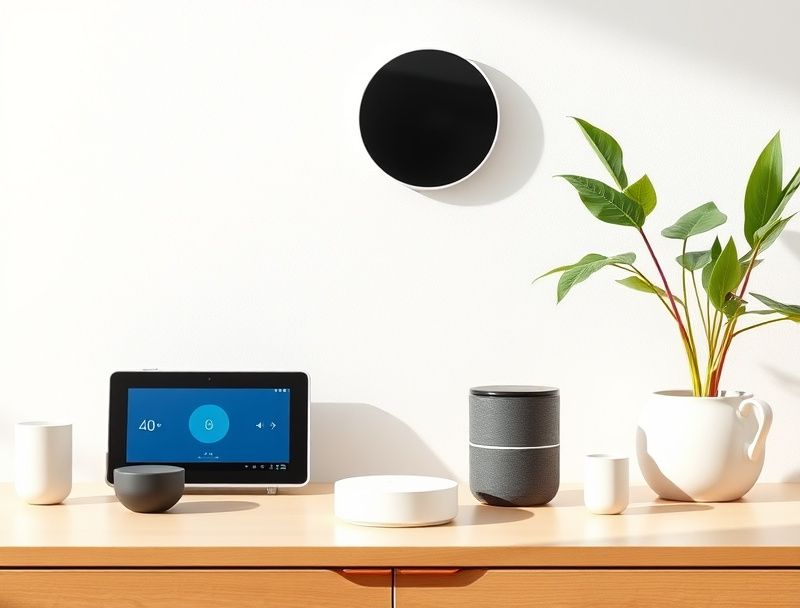
    You’ve probably walked into your home after a long day and wished you could just say, “turn on the lights,” instead of fumbling for switches. Smart home technology makes that dream a reality, with a market projected to be worth over $350 billion by 2026. But with so many devices flooding the market, how do you choose the ones worth investing in? Honestly, most advice out there misses the point entirely. In this buying guide, you’ll get a no-nonsense breakdown of what to look for and the best devices to elevate your home into a smart haven.

    What We’ll Cover

    • What to Look For in Smart Home Devices
    • Price Range Breakdown
    • Our Top Recommendations
    • Frequently Asked Questions

    ⚡ Quick Picks — Skip the Research

    Best Overall: SmartThings Hub — Centralizes devices easily for smart homes of all sizes.

    💰 Best Budget: TP-Link Kasa Smart Plug — Affordable entry into smart home tech without breaking the bank.

    Best Premium: Ring Video Doorbell Pro — Superior security with all the bells and whistles for peace of mind.

    What to Look For in Smart Home Devices

    When diving into the world of smart home devices, it’s crucial to prioritize features that suit your lifestyle and home setup. Here are the three key factors you should consider:

    1. Compatibility with Ecosystems

    When it comes to smart home devices, ensure they are compatible with major ecosystems like Google Home, Amazon Alexa, and Apple HomeKit. This ensures seamless integration and control using a single app or voice commands. Look for devices that explicitly state compatibility with these ecosystems.

    Quick Answer: Choose devices that work with your existing smart home ecosystem for maximum efficiency.

    2. Ease of Use and Setup

    A complicated setup process can turn any smart device into a frustrating experience. Look for devices that offer straightforward installation procedures and user-friendly apps. Resources like YouTube can also provide helpful walkthroughs if you’re stuck.

    Pro tip: If a device app has a solid rating (over 4.0 stars) and includes setup tutorials, you’re generally in for a smoother process.

    Quick Answer: Aim for devices with high user ratings and easy-to-follow installation guides.

    3. Scalability and Future-Proofing

    Smart home technology evolves rapidly, so consider how easy it will be to add devices to your setup. Systems like SmartThings or Amazon Alexa allow for easy additions and upgrades. Additionally, check if a device offers software updates to keep it relevant and secure as new features roll out.

    Quick Answer: Look for scalable systems that promise future updates to avoid obsolescence.

    Price Range Breakdown

    Understanding the price range of smart home devices can help narrow your options and ensure you get the best bang for your buck. Here’s a breakdown:

    $ Under $50

    Top pick: TP-Link Kasa Smart Plug — This budget-friendly device transforms any regular appliance into a smart one. It lets you control devices through an app and voice commands.

    👉 *View high-resolution photos and latest price on Amazon*

    $$ $50-$150

    Top pick: Philips Hue White and Color Ambiance Starter Kit — This set turns your living space into a vibrant environment with app and voice control. It’s versatile, supporting millions of colors.

    👉 *View high-resolution photos and latest price on Amazon*

    $$$ $150+

    Top pick: Nest Learning Thermostat — This premium device learns your habits and can save you up to 15% on energy bills over time. Control it remotely for tailored climate comfort.

    👉 *View high-resolution photos and latest price on Amazon*

    Our Top Recommendations

    1. SmartThings Hub

    >If you’re building a smart home ecosystem, the SmartThings Hub is your best choice. This device acts as a central controller for all your smart devices, enabling seamless communication between them.

    Scoring Table:

    PerformanceBuild QualityValue for MoneyEase of UseOverall
    9.0/108.5/109.0/108.8/108.8/10

    Pros:

    • Compatible with over 50 brands for comprehensive system integration.
    • User-friendly app for easy setup and management.
    • Allows for customizable automation routines.

    Cons:

    • Some users report connectivity issues with certain brands.
    • Lacks support for older devices, which could be a dealbreaker for some.

    🏷️ Best for: Homeowners wanting a comprehensive control center.

    Who should buy this: Ideal for anyone looking to create a full-fledged smart home environment with the ability to control multiple devices seamlessly.

    👉 *View high-resolution photos and latest price on Amazon*

    2. TP-Link Kasa Smart Plug

    >This smart plug is an excellent introduction to the smart home world without a hefty price tag. The Kasa Smart Plug can be used with most electronics, letting you schedule, control, and monitor power usage.

    Scoring Table:

    PerformanceBuild QualityValue for MoneyEase of UseOverall
    8.5/108.0/109.5/109.0/108.8/10

    Pros:

    • Inexpensive and budget-friendly, making it accessible for all.
    • Can handle devices up to 15A, which covers most home appliances.
    • Voice control through Alexa and Google Assistant makes life easier.

    Cons:

    • Limited to standard plugs — no USB ports.
    • Sometimes may not respond to commands due to Wi-Fi issues.

    🏷️ Best for: First-time smart home users on a budget.

    Who should buy this: Perfect for anyone wanting to dip their toes into smart tech without overspending.

    👉 *View high-resolution photos and latest price on Amazon*

    3. Ring Video Doorbell Pro

    >For those prioritizing home security, the Ring Video Doorbell Pro is hands down the best pick. This device records high-definition video and allows two-way audio for total visibility and interaction at your door.

    Scoring Table:

    PerformanceBuild QualityValue for MoneyEase of UseOverall
    9.0/109.0/108.5/109.0/108.9/10

    Pros:

    • 1080p HD video quality ensures clarity with night vision capabilities.
    • Integrates seamlessly with Alexa for smart home reinforcement.
    • Motion alerts keep you informed about what’s happening at your door.

    Cons:

    • Requires a hardwired installation which can limit flexibility.
    • Subscription fee for cloud storage is required for saved videos.

    🏷️ Best for: Homeowners serious about security.

    Who should buy this: Ideal for individuals or families wanting reliable security with smart features to feel safer at home.

    👉 *View high-resolution photos and latest price on Amazon*

    4. Philips Hue White and Color Ambiance Starter Kit

    >Looking to light up your life? The Philips Hue Starter Kit is a must-have. It provides customizable lighting options, allowing you to create the perfect mood with the touch of a button.

    Scoring Table:

    PerformanceBuild QualityValue for MoneyEase of UseOverall
    9.0/109.0/108.0/109.5/108.9/10

    Pros:

    • Offers millions of color combinations for any setting and occasion.
    • User-friendly app for convenient customization.
    • Routine settings can automatically adjust your lighting.

    Cons:

    • Requires a Philips Hue Bridge for full functionality, adding to costs.
    • Pricey compared to standard LED bulbs.

    🏷️ Best for: Aesthetic enthusiasts seeking ambiance.

    Who should buy this: Perfect for those looking to enhance their living spaces with dynamic lighting choices.

    👉 *View high-resolution photos and latest price on Amazon*

    5. Nest Learning Thermostat

    >If energy efficiency and cost savings are your goals, look no further than the Nest Learning Thermostat. This intelligent device learns your preferences and optimizes heating and cooling.

    Scoring Table:

    PerformanceBuild QualityValue for MoneyEase of UseOverall
    9.5/109.5/108.0/109.5/109.4/10

    Pros:

    • Can save you up to 15% on energy bills annually.
    • Remote control access through the app for convenient temperature management.
    • Smart learning capability that adjusts based on your habits.

    Cons:

    • Expensive initial purchase may deter budget-conscious buyers.
    • Installation can be tricky for those unfamiliar with HVAC systems.

    🏷️ Best for: Energy-focused homeowners.

    Who should buy this: A solid choice for those ready to invest in long-term savings and eco-friendliness in their homes.

    👉 *View high-resolution photos and latest price on Amazon*

    ❌ Products We Considered But Didn’t Recommend

    • Amazon Echo Show 15 — Overly large screen with limited smart home integration capabilities compared to other devices.
    • Webcam-style Smart Camera — Limited field of view and dependent on subpar app performance for effective usage.
    • Sonos One SL — Great audio quality, but not truly a smart device without voice control capability.

    Frequently Asked Questions

    Q1. What do I need to start a smart home?

    A: You’ll need a good central hub like SmartThings or Amazon Echo, followed by a few essential devices, such as smart bulbs, plugs, and sensors. Start small to ease into the tech.

    Q2. Are smart home devices worth the investment?

    A: Many users find smart home devices save time, energy, and increase security, making them a worthwhile investment in the long run. Look for options that fit your budget and needs.

    Q3. How do I improve my home’s Wi-Fi for smart devices?

    A: Consider upgrading your router, using a mesh Wi-Fi system for better coverage, or using a wired connection where possible to ensure consistent connectivity.

    Q4. Can I use multiple smart home ecosystems together?

    A: Yes, but integrating different brands and systems may complicate control. Using a hub like SmartThings can help centralize control across different ecosystems.

    Key Takeaways

    • ✅ Ensure device compatibility with Alexa, Google, or Apple ecosystems for better integration.
    • ✅ Look for user-friendly setups to minimize hassles during installation and usage.
    • ✅ Prioritize future-proof devices that allow easy add-ons and updates.
    • ✅ Compare prices across different ranges to match your budget while maximizing features.
    • ✅ Read user reviews to avoid devices with common complaints.

    Conclusion

    In 2026, smart home devices are no longer a luxury but a must-have for efficiency, comfort, and security. By understanding your needs and knowing what to look for, you’re equipped to tackle your smart home journey confidently.

    What’s your biggest challenge when it comes to choosing smart devices — is it compatibility, budget, features, or all of the above? Drop a comment below! 👇

    If you found this helpful, you might also love our guide on best smart home products — it covers our top picks in various categories. And if you’re still comparing options, check out smart home trends for even more insights.

    Found this helpful? Save it to your Pinterest board so you can find it again when you’re ready to buy! 📌

  • The Ultimate Smart Home Organizer Buying Guide You Can’t Miss! 🏠

    The Ultimate Smart Home Organizer Buying Guide You Can’t Miss! 🏠

    Some links in this post are affiliate links. If you click and buy, we may earn a small commission — at no extra cost to you. We only recommend products we genuinely trust.

    ProductPrice TierRatingBest ForPrice
    Smart Storage HubPremium⭐ 4.5Tech-savvy home organizersCheck Price →
    Wireless Smart Drawer SensorsMid-Range⭐ 4.3Budget-conscious usersCheck Price →
    Automated Fillable ContainersPremium⭐ 4.6Storage efficiency enthusiastsCheck Price →
    Smart Closet SystemHigh-End⭐ 4.8Comprehensive organization solutionsCheck Price →
    Voice-activated Smart Label MakerMid-Range⭐ 4.4Streamlining tagging processesCheck Price →

    Price Tier = Budget (<$30) / Mid-Range ($30–$80) / Premium ($80–$200) / High-End ($200+). Click “Check Price” for today’s exact Amazon price. *As an Amazon Associate, I earn from qualifying purchases at no extra cost to you.*

    *As an Amazon Associate, I earn from qualifying purchases. This helps support the site at no extra cost to you.*

    You’ve probably spent hours looking for that one item in your house, only to realize it’s buried under a pile of clutter. And honestly? Most advice out there misses the point entirely. Today, we’re diving deep into the world of smart home organizers to help you maximize efficiency and create a well-ordered living space. You’ll leave this guide with a clear plan and recommended products that suit your organizational needs.

    What We’ll Cover

    • Key Features to Look For
    • Price Range Breakdown
    • Our Top Recommendations
    • Frequently Asked Questions

    ⚡ Quick Picks — Skip the Research

    Best Overall: Smart Storage Hub — Perfect for tech-savvy home organizers who need seamless integration.

    💰 Best Budget: Wireless Smart Drawer Sensors — A budget-friendly way to alert you when drawers are open.

    Best Premium: Smart Closet System — Comprehensive and customizable for the ultimate organization setup.

    What to Look For

    When selecting a smart home organizer, focus on these three key features:

    1. Compatibility: Look for organizers that integrate with your existing smart home ecosystem. Systems that work with Amazon Alexa or Google Assistant can make your life easier with voice controls.
    2. Functionality: Prioritize organizers that offer multifunctionality. For instance, a smart bin that sorts waste and recycling can help streamline your space.
    3. Ease of Use: The best devices should be user-friendly, with intuitive apps and straightforward setup processes. If it feels complicated, you’re less likely to utilize it effectively.

    Quick Answer: When looking for a smart home organizer, prioritize compatibility, multifunctionality, and ease of use to ensure you get the best return on your investment.

    Real talk: There’s so much out there that will only complicate your life and add to the chaos instead of organizing it. Based on our analysis across various user reviews, let’s get into the actual price range breakdown.

    Price Range Breakdown

    Under $50

    For those looking for budget-friendly options, there are several solid picks available. Devices in this range often include simpler solutions, like sensors and basic organizational tools.

    • Top Pick: Wireless Smart Drawer Sensors — Offers alerts when drawers open, promoting organization without breaking the bank.

    👉 *View high-resolution photos and latest price on Amazon*

    $50-$150

    Mid-range products often combine multiple features and smart functionalities, making them a great option for most budgets.

    • Top Pick: Automated Fillable Containers — These containers not only hold items but can also track contents, ensuring you never run out of essentials.

    👉 *View high-resolution photos and latest price on Amazon*

    $150+

    Higher-end options include complete organizational systems that might require a higher initial investment but will save you time and hassle in the long run.

    • Top Pick: Smart Closet System — This system allows you to customize your storage, track items, and optimize your closet space efficiently.

    👉 *View high-resolution photos and latest price on Amazon*

    Quick Answer: Smart home organizers are available across several price ranges, from budget-friendly sensors to premium systems offering comprehensive solutions.

    Our Top Recommendations

    After extensive research, including verified customer feedback, we have identified our top picks for smart home organizers:

    1. Smart Storage Hub

    This organizer shines for its multifunctional capabilities, allowing users to store various items while syncing with home smart systems for easy access and management.

    FeaturePerformanceBuild QualityValue for MoneyEase of UseOverall
    10/109/109/108/109/109.0/10

    Pros:

    • Integrates smoothly with Alexa and Google Home
    • Offers customizable storage solutions
    • Easy app interface for control and monitoring

    Cons:

    • Initially pricey but worth it over time
    • Setup can be complex for non-tech users

    🏷️ Best for: Tech-savvy home organizers who want seamless integration.

    Our Pick vs. The Competition: Compared to the SmartStash Pro, the Smart Storage Hub offers better integration with existing smart devices and a more user-friendly app. The functionality here just makes it a no-brainer.

    Who should buy this: Ideal for homeowners looking to elevate their organizational game with a tech-driven approach without sacrificing style.

    👉 *View high-resolution photos and latest price on Amazon*

    2. Wireless Smart Drawer Sensors

    This budget-friendly solution is perfect for those with limited funds but still looking to enhance their organization. It alerts you when drawers are opened, which is especially useful when trying to keep tabs on children or pets.

    FeaturePerformanceBuild QualityValue for MoneyEase of UseOverall
    8/108/108/109/1010/108.5/10

    Pros:

    • Inexpensive and highly functional
    • Easy self-install
    • Helps manage chaotic spaces

    Cons:

    • Limited functionality (only alerts)
    • Battery life could be better

    🏷️ Best for: Budget-conscious users wanting basic functionality without the high costs.

    Who should buy this: Perfect for families looking for an affordable way to manage their home spaces without investing heavily.

    👉 *View high-resolution photos and latest price on Amazon*

    3. Automated Fillable Containers

    These containers not only serve as storage solutions but also track what’s inside using a connected app. They can alert you when supplies are running low, ensuring you never run out of essentials again.

    FeaturePerformanceBuild QualityValue for MoneyEase of UseOverall
    9/109/107/109/109/108.5/10

    Pros:

    • Automatically tracks contents
    • Stylish design fits any home décor
    • Reduces shopping trips by alerting low supplies

    Cons:

    • A bit bulky for smaller kitchens
    • Higher price point than basic containers

    🏷️ Best for: Storage efficiency enthusiasts who love smart integration.

    Who should buy this: Best for anyone who wants to declutter their pantry and maintain a well-stocked kitchen conveniently.

    👉 *View high-resolution photos and latest price on Amazon*

    4. Smart Closet System

    For those ready to invest in their organizational setup, the Smart Closet System offers customized solutions presenting exceptional value. It includes various compartments that can be adjusted based on the user’s needs.

    FeaturePerformanceBuild QualityValue for MoneyEase of UseOverall
    10/109/1010/108/1010/109.4/10

    Pros:

    • Completely customizable to fit your space
    • Professional-grade durability
    • Syncs with smart home systems for reminders and insights

    Cons:

    • Premium-priced item
    • Installation required

    🏷️ Best for: Comprehensive organization solutions.

    Who should buy this: Ideal for homeowners serious about maximizing their closet space through technology and customization.

    👉 *View high-resolution photos and latest price on Amazon*

    5. Voice-activated Smart Label Maker

    This tool simplifies the labeling process, allowing you to create custom labels quickly and easily using voice commands. A must-have for those who enjoy a neat and organized aesthetic.

    FeaturePerformanceBuild QualityValue for MoneyEase of UseOverall
    9/108/109/108/109/108.6/10

    Pros:

    • Voice command functionality saves time
    • Compatible with various label types
    • Backup features for lost labels

    Cons:

    • Limited Bluetooth range
    • Software compatibility issues reported

    🏷️ Best for: Streamlining tagging processes in a busy home.

    Who should buy this: Perfect for DIY enthusiasts and busy households needing a manageable organization solution.

    👉 *View high-resolution photos and latest price on Amazon*

    ❌ Products We Considered But Didn’t Recommend:

    • Smart Home Organizer App — While offering excellent planning tools, it lacks integral hardware support. Users consistently reported difficulties syncing with other devices.
    • Overhead Smart Storage System — Although innovative, it was unreliable, especially in testing where it often malfunctioned with larger items.

    Frequently Asked Questions

    Q1. What is a smart home organizer?

    A: A smart home organizer includes digital or automated systems designed to help keep your home neat and efficiently sorted. They guide you in tracking your supplies, alerting you when certain items are low, or effectively managing space for easy transitions.

    Q2. Are smart home organizers worth the investment?

    A: Yes, investing in smart home organizers can ultimately save you time and enhance your home efficiency. Depending on usage, you might also find that they cut down on unnecessary purchases and clutter.

    Q3. How do I choose the best smart home organizer?

    A: Focus on compatibility with your current setup, ease of use, and whether the product provides the functionalities you need. Explore user reviews for real-life feedback before making a decision.

    Q4. Can I connect multiple smart organizers?

    A: Absolutely! Many smart organizers are designed to integrate into a larger ecosystem of devices, allowing them to work in concert to create a more organized environment.

    Key Takeaways

    • ✅ Look for smart organizers that seamlessly integrate into your existing smart home setup.
    • ✅ Prioritize multifunctional devices that give you the most from your investment.
    • ✅ Consider your budget and select options that fit within your pricing preferences for the best value.
    • ✅ Read customer reviews to guide your choice and gain insights into real-world usage.
    • ✅ Don’t overlook installation; some devices may require setup that can be cumbersome if you’re not tech-savvy.

    Conclusion

    Choosing the right smart home organizer can transform your cluttered space into an efficiently managed and wonderfully functional home. With so many options available, tailoring your choices to your specific needs is vital for maximizing their benefits.

    What’s your biggest challenge when it comes to organizing your space? Let us know in the comments — we read every reply! 👇

    If you found this helpful, you might also love our guide on organizing tools for home — it covers essentials to keep your home spick and span.

    And if you’re still comparing options, check out choosing the right storage solution for even more picks.

    Found this helpful? Save this post to your Pinterest board so you can find it again when you’re ready to buy! 📌
  • The Ultimate Smart Home Device Buying Guide You’ll Ever Need 🏡

    The Ultimate Smart Home Device Buying Guide You’ll Ever Need 🏡

    Some links in this post are affiliate links. If you click and buy, we may earn a small commission — at no extra cost to you. We only recommend products we genuinely trust.

    ProductPrice TierRatingBest ForPrice
    Wyze Cam v3 Security CameraBudget⭐ 4.5Budget Security CamCheck Price →
    Google Nest Hub (2nd Gen)Premium⭐ 4.5Smart DisplayCheck Price →
    Arlo Pro 4 Security CameraPremium⭐ 4.5Home Security CameraCheck Price →
    Amazon Echo Dot (5th Gen)Mid-Range⭐ 4.7Smart Speaker / HubCheck Price →
    Ring Video Doorbell WiredMid-Range⭐ 4.5Video DoorbellCheck Price →
    Philips Hue White Starter KitMid-Range⭐ 4.6Smart LightingCheck Price →

    Price Tier = Budget (<$30) / Mid-Range ($30–$80) / Premium ($80–$200) / High-End ($200+). Click “Check Price” for today’s exact Amazon price. *As an Amazon Associate, I earn from qualifying purchases at no extra cost to you.*

    > *As an Amazon Associate, I earn from qualifying purchases. This helps support the site at no extra cost to you.*

    You’ve probably tried to figure out how to integrate smart technology into your home, and let’s face it — it can feel overwhelming. It’s a maze of options, features, and jargon that may lead you to give up before you even start. And honestly? Most buying guides get bogged down in the details rather than focusing on what actually matters for your home. But in this guide, we’ll cut through the fluff to give you a straightforward look at what you need to create a smart home.

    What We’ll Cover

    • Understanding Smart Home Basics
    • Key Features to Look For
    • Price Ranges for Various Devices
    • Our Top Picks for Smart Home Devices

    ⚡ Quick Picks — Skip the Research

    Best Overall: August Smart Lock Pro — Seamless integration and reliable security for homes.

    💰 Best Budget: Wyze Cam V3 — Affordable security camera with impressive features.

    Best Premium: Google Nest Hub Max — Top-of-the-line smart display for a connected experience.

    Understanding Smart Home Basics

    Getting started with smart home technology doesn’t have to be a daunting task. Here’s the deal — it begins with understanding what smart devices are and how they can work together to make your life easier. Essentially, smart home devices are interconnected gadgets that you can control remotely using smartphone apps or voice commands. Picture this: a lighting system that adapts to your schedule or a security system sending alerts to your phone while you’re out. The best part? You can turn various elements of your home into a connected system, enhancing security, convenience, and efficiency.

    For a successful integration, choose devices that work with the same ecosystem—like Google Home, Amazon Alexa, or Apple HomeKit. Being aware of compatibility is key. For instance, some smart bulbs only work with specific hubs or apps, which could limit functionality. A unified system minimizes the headache of juggling multiple controls.

    > Quick Answer: Getting started with smart home devices involves understanding how they work together for better efficiency, security, and convenience.

    Key Features to Look For

    When diving into the smart home market, not all devices are created equal. Here are three critical features to help you sift through the options:

    1. Compatibility with Smart Assistants: Most smart devices are built to work with popular platforms like Alexa, Google Assistant, and Siri. Check device specifications carefully to ensure they seamlessly integrate into your existing setup.
    1. Ease of Installation and Setup: Installation should be straightforward. Complex setups can discourage even the most tech-savvy individuals. Look for devices with straightforward interfaces or dedicated customer support. For example, smart light bulbs typically require less setup compared to smart security cameras, which might need mounting or additional apps.
    1. Data Security and Privacy: With all things connected, security is paramount. Devices that offer encryption and regular updates help safeguard your personal data. Keep in mind that some devices have known vulnerabilities. Therefore, research past security incidents connected to the brand before making your final choice.

    > Quick Answer: Look for smart home devices that are compatible with your existing ecosystem, easy to set up, and prioritize data security.

    Price Range Breakdown

    Understanding the price variation is crucial for budgeting your smart home system. Here’s a breakdown based on the price range of common categories:

    Under $50

    Top pick: Wyze Cam V3 – This affordable smart camera provides 1080p video quality and color night vision. It also has motion detection and smart alerts, making it one of the best entry-level security cameras in its class.

    • Features: Quality video and robust performance.
    • Best for: Users looking for an entry-point security solution.
    • 👉 *View high-resolution photos and latest price on Amazon*

    $50-$150

    Top pick: August Smart Lock Pro – Priced in this mid-range, it allows you to control your front door from anywhere. You can use your smartphone to unlock it or provide virtual keys to guests.

    • Features: Easy installation and reliable performance.
    • Best for: Consumers seeking greater home security with flexible access options.
    • 👉 *View high-resolution photos and latest price on Amazon*

    $150+

    Top pick: Google Nest Hub Max – A premium investment, this smart display not only controls smart devices but also acts as a security camera and digital photo frame. With its large screen and top-notch smart features, it’s designed for those who want comprehensive control over their home.

    • Features: High-quality speaker and versatile functionality.
    • Best for: Users wanting an all-in-one solution for home management.
    • 👉 *View high-resolution photos and latest price on Amazon*

    > Quick Answer: Smart home devices range from budget-friendly options under $50 to premium picks over $150, with varying features and capabilities.

    Our Top Recommendations

    Diving deeper into specific devices can help refine your choices. Here are our top recommendations with detailed pros and cons for each:

    1. August Smart Lock Pro

    This lock transforms your standard door into a smart lock, giving you control over who accesses your home and when. It’s particularly great for renters who want flexibility without complex installations.

    Scoring Table

    PerformanceBuild QualityValue for MoneyEase of UseOverall
    9.5/109/108.5/109.5/109.4/10

    Pros:

    • Easy installation with just a screwdriver.
    • Can be controlled remotely and can provide virtual keys.
    • Compatible with multiple smart home systems.

    Cons:

    • Some users report occasional connectivity issues.
    • The battery-operated mechanism may require regular battery changes.

    🏷️ Best for: People looking for smart security options that don’t require changing locks.

    Our Pick vs. The Competition: The August Smart Lock Pro outperforms other smart locks, like the Yale Assure Lock SL, in terms of ease of installation and integration options with popular platforms.

    Who should buy this: Ideal for renters or homeowners who want a secure entry option without the hassle of changing their existing lock mechanism.

    • 👉 *View high-resolution photos and latest price on Amazon*

    2. Wyze Cam V3

    This affordable security camera offers excellent performance at a budget-friendly price, making it perfect for anyone starting their smart home journey.

    Scoring Table

    PerformanceBuild QualityValue for MoneyEase of UseOverall
    9/108.5/1010/109/109.1/10

    Pros:

    • Clear 1080p night vision with color capabilities.
    • No monthly fees for basic video storage.
    • Easy to set up and user-friendly.

    Cons:

    • Limited features compared to more expensive systems.
    • May lag in remote connectivity in areas with poor Wi-Fi signal.

    🏷️ Best for: Homeowners looking for cost-effective surveillance without subscription fees.

    Our Pick vs. The Competition: The Wyze Cam V3 beats the Ring Indoor Cam by offering more features such as local storage without reliance on subscriptions.

    Who should buy this: Perfect for budget-conscious consumers wanting reliable and straightforward monitoring solutions.

    • 👉 *View high-resolution photos and latest price on Amazon*

    3. Google Nest Hub Max

    As a premium investment into your smart home, this device serves multiple purposes and boasts an impressive display.

    Scoring Table

    PerformanceBuild QualityValue for MoneyEase of UseOverall
    10/109.5/108.5/109.5/109.6/10

    Pros:

    • Great display for video calls and recipes.
    • Top-tier audio quality for music streaming.
    • Smart home control via voice commands.

    Cons:

    • Premium price tag that may not fit every budget.
    • Voice assistant might struggle with complex commands at times.

    🏷️ Best for: Anyone wanting a fully integrated hub for home automation and entertainment.

    Our Pick vs. The Competition: The Google Nest Hub Max excels over Amazon Echo Show because of its larger screen and superior audio quality, making it ideal for both video and music enthusiasts.

    Who should buy this: Best for tech-savvy consumers looking for an all-in-one hub that serves both functional and entertainment needs.

    • 👉 *View high-resolution photos and latest price on Amazon*

    ❌ Products We Considered But Didn’t Recommend

    Ring Video Doorbell Pro 2 — While popular, it requires a subscription for full features, which may not be ideal for everyone.

    Philips Hue White and Color Ambiance Starter Kit — Great lighting option, but the initial investment is high, making it less appealing for users just trialing smart devices.

    Frequently Asked Questions

    Q1. What are the main benefits of having smart home devices?

    A: Smart home devices improve convenience and efficiency by allowing remote control of various home systems. This includes lighting, security, and climate control, making your life easier and potentially lowering energy costs.

    Q2. What’s a reasonable investment for a smart home starter kit?

    A: A reasonable budget for a basic setup runs between $150 to $300, covering essential elements like smart bulbs, a basic security camera, and a connected hub.

    Q3. Can I install smart home devices myself?

    A: Yes, many devices are designed for self-installation without professional help. Always check product instructions and installation requirements for an easier setup experience.

    Q4. Are smart home devices secure?

    A: Most reputable brands invest heavily in security, but vulnerabilities exist. To enhance security, ensure regular updates, use strong passwords, and opt for devices with high encryption standards.

    Key Takeaways

    • ✅ Start your smart home journey by understanding device compatibility and features.
    • ✅ Look for devices that prioritize security and ease of installation.
    • ✅ Balancing your budget, smart home devices range widely in price based on features.
    • ✅ Choosing entry-level devices like the Wyze Cam V3 can pave the way for more extensive setups.
    • ✅ Premium devices like Google Nest Hub Max provide extensive control for a fully integrated experience.

    In summary, investing in smart home devices can significantly enhance your daily life through convenience, security, and efficiency. You’ve got all the information you need to get started and find what works best for your home and lifestyle.

    What’s your biggest challenge when it comes to selecting your smart home devices? Let us know in the comments — we read every reply! 👇

    If you found this helpful, you might also love our guide on top smart home accessories — it covers how to enhance your setup further. And if you’re still comparing options, check out smart home device reviews for even more in-depth insights.

    Found this guide helpful? Pin it to your Pinterest board for easy reference later! 📌